GPTZero
AI text detector for classrooms and content teams, with writing-process evidence.
Acquired — still operating
acquired by Superhuman (Grammarly) Jun 2026 (~$88M)
About
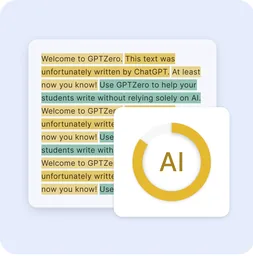
GPTZero launched in January 2023, built by Princeton student Edward Tian after ChatGPT's release, to tell human writing apart from AI-generated text. It scores text on signals like perplexity and burstiness, highlights sentences it believes are AI-written, and reports confidence per scan. Its standout feature is Writing Replay: a Chrome extension that records how a Google Doc was actually typed, giving editors timestamped proof of authorship when a detector flag is disputed.
The free tier covers 10,000 words a month, with paid plans from roughly $15 a month adding batch uploads, plagiarism checks, and API access. In June 2026 GPTZero was acquired by Superhuman, the company behind Grammarly, at a reported $88 million valuation with 19 million users (reported by a competitor, treat as unverified). Limitation: independent tests put its false-positive rate on human writing between 6% and 18%, it struggles with paraphrased or lightly edited AI text, and its own FAQ says results should never be the final verdict in an academic case.
What it can do
- AI-generated text detection with sentence-level highlighting
- Writing Replay typing-process evidence in Google Docs
- Plagiarism and hallucination checks on paid tiers
- Developer API for detection in content pipelines
Setup
Sign up on the GPTZero site, paste text or upload a file to scan. A Chrome extension adds detection inside Google Docs.
Prerequisites
A free account for scans beyond the anonymous allowance.
Use cases
Works with
Trust score — 8/10
Scored 8/10 (verified tier, metrics-v1). Evidence: Verified via vendor site/docs/GitHub and reputable coverage, wave 82; Trending score 84/100 from researcher assessment.
Sources
Every fact above was checked against these sources. Where a claim comes from the provider and couldn't be independently verified, the text says so.